
Germany vs Serbia: The Definitive 2026 Nations League Preview and Tactical Analysis
Germany vs Serbia looks like another major Nations League clash, but the circumstances make this meeting more than a routine group-stage game. Germany are searching for a response after a difficult start, while Serbia are also under pressure after consecutive defeats; this guide breaks down their form, tactics, team news and the key battles that could shape the match.
Key Takeaways
- Germany vs Serbia is a UEFA Nations League League A Group 2 match at Allianz Arena in Munich on October 1, 2026.
- Germany have one point from their opening two matches after drawing 1-1 with the Netherlands and losing 0-1 to Greece.
- Serbia have lost both opening matches, falling 1-2 to Greece and 1-2 to the Netherlands.
- Germany lead the historical head-to-head, with 16 wins, five draws and eight Serbia victories, while the goal record stands at 50-34.
- Nico Schlotterbeck is definitely unavailable for Germany, while Jonas Urbig has been confirmed to start in goal. — Source: DFB, 2026 (DFB)
- Sergej Milinković-Savić will not be in Serbia’s squad, while Strahinja Pavlović was still a selection doubt before kickoff. (Srpske Novine)
- The midfield battle, transition defence and Germany’s ability to convert possession into chances could have a major influence on the match.
What Is Germany vs Serbia and When Is the Match Being Played?
Germany vs Serbia is a UEFA Nations League League A Group 2 match being played at Allianz Arena in Munich on Thursday, October 1, 2026, with kickoff scheduled for 20:45 local German time.
this fixture comes during Matchday 3 of the 2026/27 Nations League league phase. UEFA scheduled the league phase across September, October and November, with Matchday 3 taking place from September 30 to October 3.
the match has an immediate competitive context because Germany and Serbia both started the group without a victory. Germany drew in Amsterdam before losing at home to Greece, while Serbia suffered two 2-1 defeats.
UEFA Nations League 2026/27 guide
Why Does Germany vs Serbia Matter?
Germany vs Serbia matters because both teams need points after difficult opening results, making the third group match an important opportunity to change the direction of their Nations League campaigns.
Germany have collected one point from two matches, following a 1-1 draw away to the Netherlands and a 0-1 home defeat against Greece.
Serbia have zero points from two matches, having lost 1-2 to Greece and 1-2 to the Netherlands.
Germany need greater attacking efficiency and defensive stability, while Serbia need to turn competitive performances into points. The table situation means neither side can treat this as an ordinary fixture.
latest UEFA Nations League results
How Has Germany Performed in Its Latest Matches?
Germany’s latest Nations League form is one draw followed by one defeat, leaving the team with one point before facing Serbia.
Germany opened the campaign with a 1-1 draw against the Netherlands in Amsterdam. Felix Nmecha gave Germany the lead in the 32nd minute before Cody Gakpo equalised in stoppage time.
Germany lost 1-0 to Greece on September 27. Dimitris Kourbelis scored the only goal in the 74th minute after Germany had failed to convert its opportunities.
What Has Gone Wrong for Germany?
Germany’s main concern is turning possession and attacking pressure into goals while avoiding costly defensive moments.
Germany created attacking situations against Greece but eventually conceded from a deflected Kourbelis effort. The DFB match report also records chances involving Kimmich and Nmecha, showing that the problem was not simply an inability to reach the final third.
Germany are adapting to a new coaching era under Jürgen Klopp. Klopp named his first Germany squad in September and split the Nations League selection into groups for the opening fixtures.
For more context, see Germany national team latest results
Germany’s Route to Recovery
Germany’s route to recovery depends on faster ball circulation, sharper movement around the penalty area and better protection against counterattacks.
Germany can dominate possession but still leave themselves vulnerable if midfield turnovers expose the central defenders. Against Serbia’s experienced forwards, that transition risk becomes particularly important.
Germany have already shown that they can score against high-level opposition, with Nmecha opening the scoring against the Netherlands. The immediate challenge is maintaining that attacking threat for longer periods.
How Has Serbia Performed in Its Latest Matches?
Serbia’s latest Nations League form is two defeats from two matches, with both losses coming by a 2-1 scoreline.
Serbia lost 2-1 at home to Greece on September 24. Four days later, Serbia again lost 2-1, this time against the Netherlands.
the results do not tell the entire story. Serbia’s coach Veljko Paunović described the Netherlands performance as a step forward, particularly because the team increased its attacking pressure after halftime. — Source: Srpske Novine, 2026 (Srpske Novine)
Serbia’s Route to an Upset
Serbia’s route to a positive result depends on compact defending, efficient transitions and taking advantage of Germany’s defensive spaces.
Serbia could allow Germany to circulate possession in less dangerous areas before accelerating forward immediately after winning the ball.
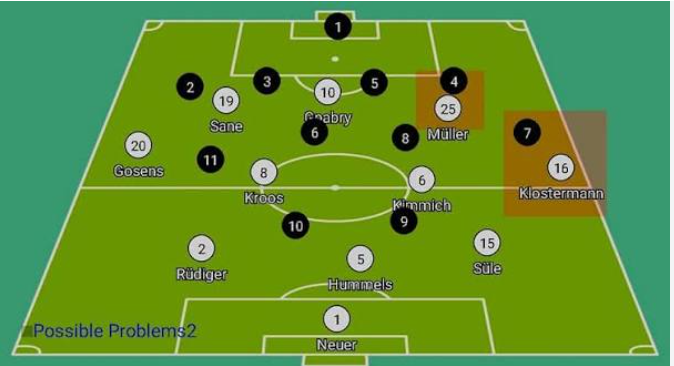
Serbia have experienced attacking options such as Dušan Tadić and Luka Jović, while their possible 3-5-2 structure could provide two central attacking targets. A reported possible lineup is not the same as a confirmed lineup, so that tactical detail should be treated as pre-match analysis.
What Is the Head-to-Head Record Between Germany and Serbia?
The Germany vs Serbia head-to-head record currently stands at 16 Germany wins, eight Serbia wins and five draws, with Germany leading the goals tally 50-34.
those numbers show Germany’s historical advantage across UEFA’s recorded meetings. Germany have won twice as many matches as Serbia in the listed head-to-head record.
historical results should not be confused with current form. Germany’s 16 historical wins do not automatically determine how a 2026 Nations League match will develop.
| Head-to-head factor | Germany | Serbia |
|---|---|---|
| Wins | 16 | 8 |
| Draws | 5 | 5 |
| Goals | 50 | 34 |
| Nations League 2026/27 points before Matchday 3 | 1 | 0 |
| Opening-match record | Draw | Defeat |
The historical head-to-head record favors Germany, which has 16 wins against Serbia’s 8, with five draws in UEFA’s recorded meetings.
For a deeper historical breakdown, see [Germany vs Serbia head-to-head record → suggested target page/topic].
What Tactical Approach Could Germany Use Against Serbia?
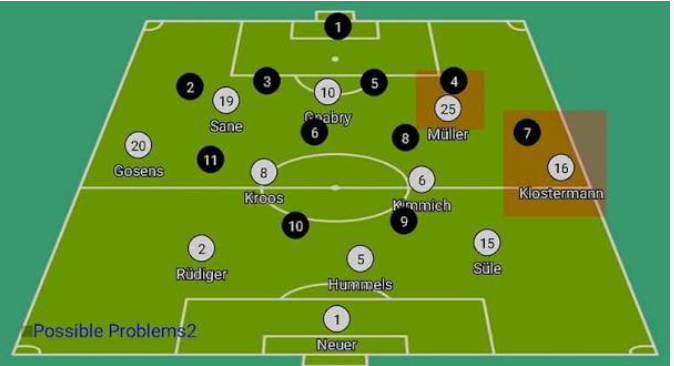
Germany could use controlled possession combined with aggressive pressing and quick attacks through the half-spaces to challenge Serbia’s defensive structure.
Germany’s midfield needs to move Serbia’s defensive block from side to side before attacking the space between midfield and defence. This can create openings for attacking midfielders and forwards arriving around the box.
Joshua Kimmich can influence the tempo from deeper areas while players such as Florian Wirtz can operate between the lines when available.
Germany need protection behind their attacking full-backs. Serbia’s best opportunities may arrive immediately after Germany lose possession in advanced areas.
Why Germany’s Midfield Battle Matters
The Germany-Serbia midfield battle could determine which team controls the speed and location of the match.
Germany’s ability to recover second balls will be important because Serbia can make direct transitions dangerous. A midfield that wins the ball quickly allows Germany to maintain pressure instead of repeatedly defending counterattacks.
Serbia can use experienced midfielders such as Nemanja Gudelj and Saša Lukić to disrupt Germany’s rhythm. Serbia’s squad also includes Aleksandar Stanković and Lazar Samardžić.
How Can Serbia Cause Problems for Germany?
Serbia can cause problems for Germany by defending compactly and attacking the spaces created when Germany push numbers forward.
Serbia can target Germany’s defensive transitions rather than trying to dominate possession for long periods. This approach would reduce the amount of time Germany have to establish their preferred attacking structure.
a quick pass behind an advanced full-back could force Germany’s centre-backs to defend large spaces while moving toward their own goal.
In addition, Serbia’s potential 3-5-2 setup could create two-versus-two situations against central defenders. Tadić’s creativity and Jović’s penalty-area movement could then become important if both are selected.
Set pieces are another possible route. Serbia have physically strong players who can attack crosses, while Germany must avoid unnecessary fouls around wide areas.
Which Players Could Have the Biggest Impact on Germany vs Serbia?
Germany’s most important individual battles could involve Joshua Kimmich, Florian Wirtz and Jonathan Burkardt, while Serbia can look toward experienced players such as Dušan Tadić, Luka Jović and Saša Lukić.
Kimmich’s role is important because Germany need control in central areas. UEFA identifies him as Germany’s captain, while DFB records him as a regular midfield presence in the national team.
Wirtz can provide creativity between midfield and defence. He was introduced against Greece in the second half, while Burkardt also entered during that match as Germany attempted to change the attacking picture.
On Serbia’s side, Tadić and Jović are particularly interesting because they offer different attacking qualities. Tadić can connect play and create chances, while Jović provides a central finishing option.
The key player list should therefore be viewed through tactical roles rather than simply star power.
Which Injuries and Absences Could Affect Germany vs Serbia?
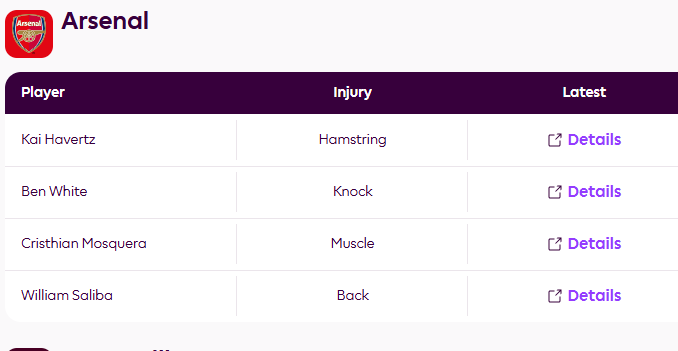
Germany vs Serbia team news contains two confirmed absences of particular interest: Nico Schlotterbeck for Germany and Sergej Milinković-Savić for Serbia.
First, DFB confirmed that Schlotterbeck injured his ankle during a warm-up without contact and was definitely ruled out of the Serbia match. — Source: DFB, 2026 (DFB)
Germany also have a confirmed goalkeeping decision: Jonas Urbig will start against Serbia. DFB reported that Klopp informed Urbig of the decision before the match.
For Serbia, Paunović confirmed that Sergej Milinković-Savić would not be in the squad. The coach referred to the medical team’s report but did not disclose a diagnosis, so the exact reason for his absence should not be assumed.
Strahinja Pavlović was also reported as a doubt, although the Serbian coach had not confirmed his availability before kickoff.
What Does Germany Need to Change to Recover Against Serbia?
Germany need to turn territorial control into clearer scoring opportunities while reducing the defensive exposure created by attacking numbers.
Germany should avoid allowing Serbia to grow comfortable through repeated possession turnovers. Losing the ball high up the pitch is less damaging when the immediate counter-press is organised.
Germany need more efficient movement around Serbia’s penalty area. The objective should be to create clear shooting and crossing opportunities rather than simply accumulating possession.
the defensive structure must remain balanced. Schlotterbeck’s absence makes defensive organisation even more relevant because Germany have lost one of the centre-backs available during the opening fixtures.
Germany’s route to recovery depends on converting possession into chances and limiting the defensive errors that have contributed to recent setbacks.
What Does Serbia Need to Do to Cause an Upset?
Serbia need to stay compact, survive Germany’s pressure and make their attacking transitions count if they are to produce an upset in Munich.
Serbia cannot afford repeated defensive gaps because Germany have technically gifted players capable of exploiting spaces between the lines.
Serbia have an opportunity if Germany become impatient. A disciplined defensive block can force Germany into longer attacks, after which Serbia can look for quick forward passes.
the Netherlands match showed Serbia’s ability to increase its attacking pressure after halftime, according to Paunović. That second-half response offers a useful indication of the intensity Serbia can produce when chasing a result.
Serbia’s route to a positive result depends on defending effectively and exploiting transition opportunities.
What Should Fans Watch for During Germany vs Serbia?
Fans should watch five tactical indicators during Germany vs Serbia because they can reveal how the match is developing without relying only on the scoreline.
- Germany’s counter-press: Watch how quickly Germany react after losing possession.
- Serbia’s defensive shape: Look for whether Serbia maintain compact distances between their lines.
- The midfield battle: Track who controls second balls and the speed of circulation.
- Wide transitions: Watch the spaces behind Germany’s advancing full-backs.
- Set pieces: Monitor whether Serbia can create aerial pressure around Germany’s penalty area.
the opening 15-20 minutes could reveal the tactical direction. If Germany consistently pin Serbia deep, the visitors may spend much of the game defending without the ball; if Serbia escape the press regularly, Germany’s defensive transition could become increasingly important.
What Tools Can Help You Follow Germany vs Serbia?
Live match data can help readers distinguish possession dominance from genuine attacking control.
UEFA’s official match centre provides authoritative fixture and competition information. DFB also provides Germany’s official fixtures, team news and data-centre information.
For example, fans can compare possession, shots, goals and match events rather than judging performance only from the final score.
You can also follow the site’s [football match analysis → suggested target page/topic] for post-match tactical breakdowns.
Free official sources such as UEFA.com and DFB.de are useful alongside independent football-statistics platforms because they provide primary competition and team information.
What’s Next for Germany and Serbia After This Match?
Germany’s next Nations League fixture is away against Greece on October 4, 2026, while Serbia travel to face the Netherlands on the same date.
First, Germany therefore have little recovery time after the Serbia match. The next fixture comes only three days later, making squad management and player fitness important.
Similarly, Serbia face another difficult test against the Netherlands. The Dutch have already beaten Serbia 2-1 during the group stage.
Later in November, Germany are scheduled to visit Serbia on November 13 before hosting the Netherlands on November 16.
Conclusion: Germany’s Recovery or Serbia’s Upset?
Germany vs Serbia presents two contrasting routes through the same tactical problem: Germany need to turn pressure into goals, while Serbia need to withstand that pressure and punish the spaces created behind it.
Germany enter the match with one point from two games, while Serbia have lost both opening fixtures. The historical record also favours Germany with 16 wins to Serbia’s eight, although historical head-to-head results cannot determine the outcome of a current match.
Serbia have demonstrated that they can remain competitive against strong opposition and have experienced attacking players capable of exploiting defensive transitions.
Ultimately, the midfield battle, Germany’s attacking efficiency, Serbia’s defensive discipline and the availability of key players are the central variables to watch.
Germany’s recovery depends on executing its attacking ideas with greater precision. Serbia’s opportunity lies in remaining organised long enough to turn Germany’s attacking commitment into counterattacking chances.
That makes Germany vs Serbia less about a simple prediction and more about which tactical scenario the match allows to develop.
Written by: Peterson — Sports and Nigeria football content writer.
Reviewed by: Askng.info Sports Editorial Team — Football news, match analysis and fact-checking.